

Plantar Fasciitis Treatment in NYC
Expert heel pain relief using proven non-surgical and advanced therapies. Serving patients throughout Brooklyn, Queens, the Bronx, and beyond. Book an appointment today.
Contact Us Today
Heel Pain Relief With Advanced Non-Surgical Care in NYC
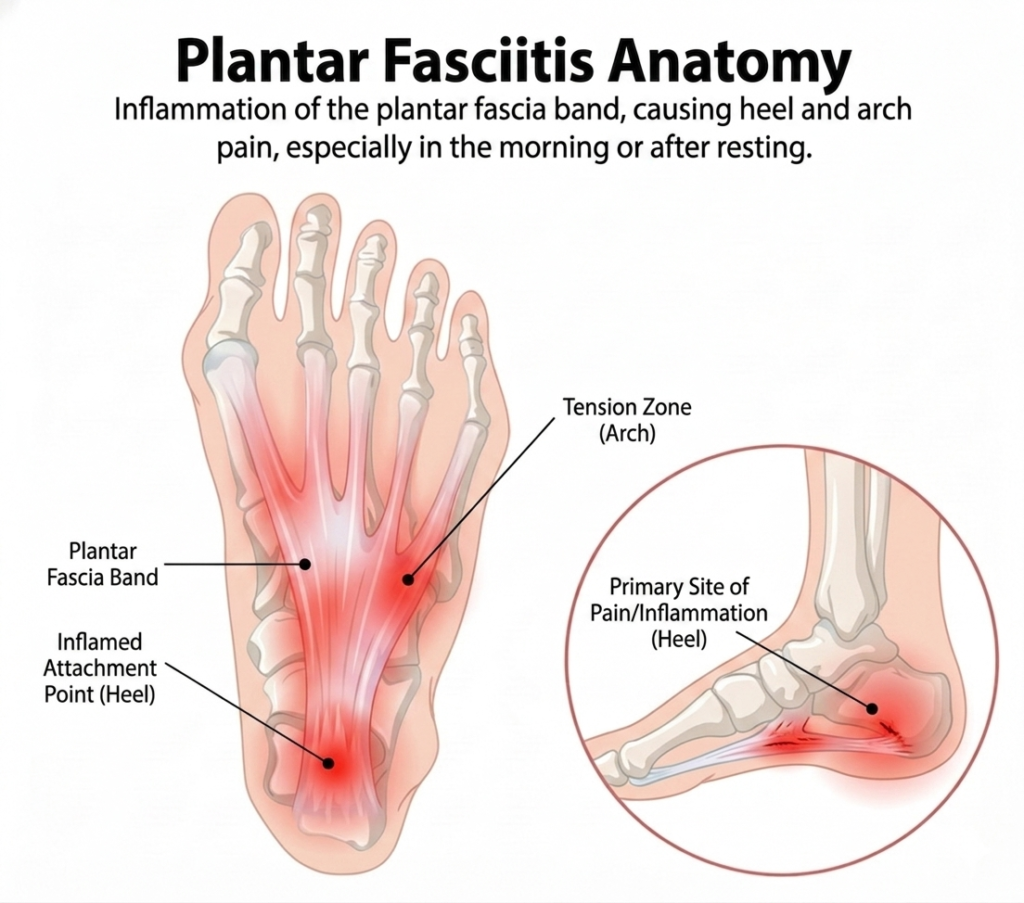
Plantar fasciitis is one of the most common causes of heel pain in adults, affecting roughly 1 in 10 people over a lifetime. It involves inflammation of the plantar fascia – a thick band of tissue connecting the heel bone to the toes. When this tissue is overstressed, microscopic tears develop, creating the hallmark stabbing pain most patients describe as worst with their very first steps in the morning. We understand how dramatically this disrupts your life – whether you commute through Brooklyn, stand all day in a Bronx kitchen, or pound the pavement of Manhattan. For a clinical overview, see NIH MedlinePlus on plantar fasciitis.
Visit Us at One of Our Locations
Main Office:
Other Offices:
At North Island Podiatry Associates PC, we specialize in accurate diagnosis and maximizing non-surgical relief to treat heel pain and slow the progression of plantar fasciitis. To learn more about our commitment and the decades of experience behind our practice, visit our About Us page. When you need expert conservative care for heel pain in New York City, you can trust our team.
1. Understanding the Condition: Why Plantar Fasciitis Worsens Over Time
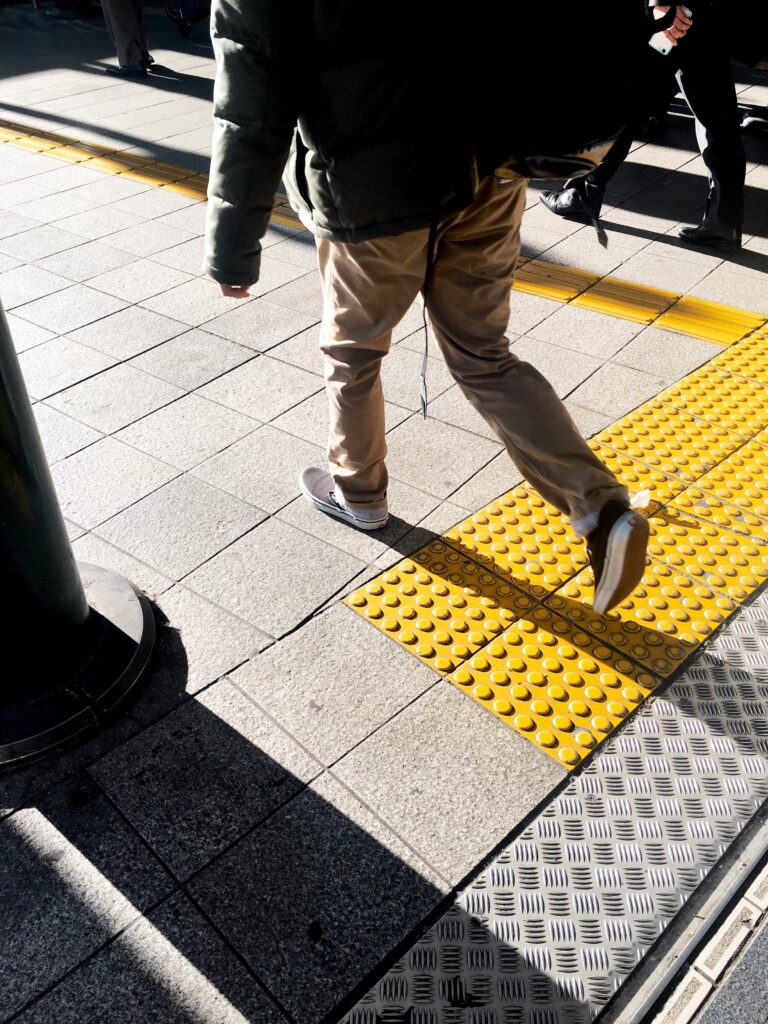
Plantar fasciitis is progressive. While early-stage pain may ease mid-day after warming up, continued stress on the fascia causes the tears to deepen and inflammation to become chronic. Identifying the specific cause – whether it’s foot mechanics, activity level, or footwear – is the first step toward effective treatment.
Ignoring the early warning signs of plantar fasciitis can lead to:
- Chronic heel pain that no longer resolves with rest or over-the-counter remedies
- Heel spur formation as the body lays down calcium deposits at the inflamed attachment site
- Altered gait patterns causing secondary knee, hip, and lower back pain – see: can foot posture cause back and knee pain?
- Bilateral plantar fasciitis when the compensating foot takes on excess load
- Achilles tendon involvement, expanding the scope of injury
If you are experiencing persistent morning heel pain or your symptoms are worsening, please prioritize immediate evaluation at one of our convenient New York locations.
2. Our Approach to Diagnosis and Conservative Care
When you come to us with heel pain, our focus is on comprehensive evaluation to determine the severity of the condition and the best course of action to restore your comfort and function.
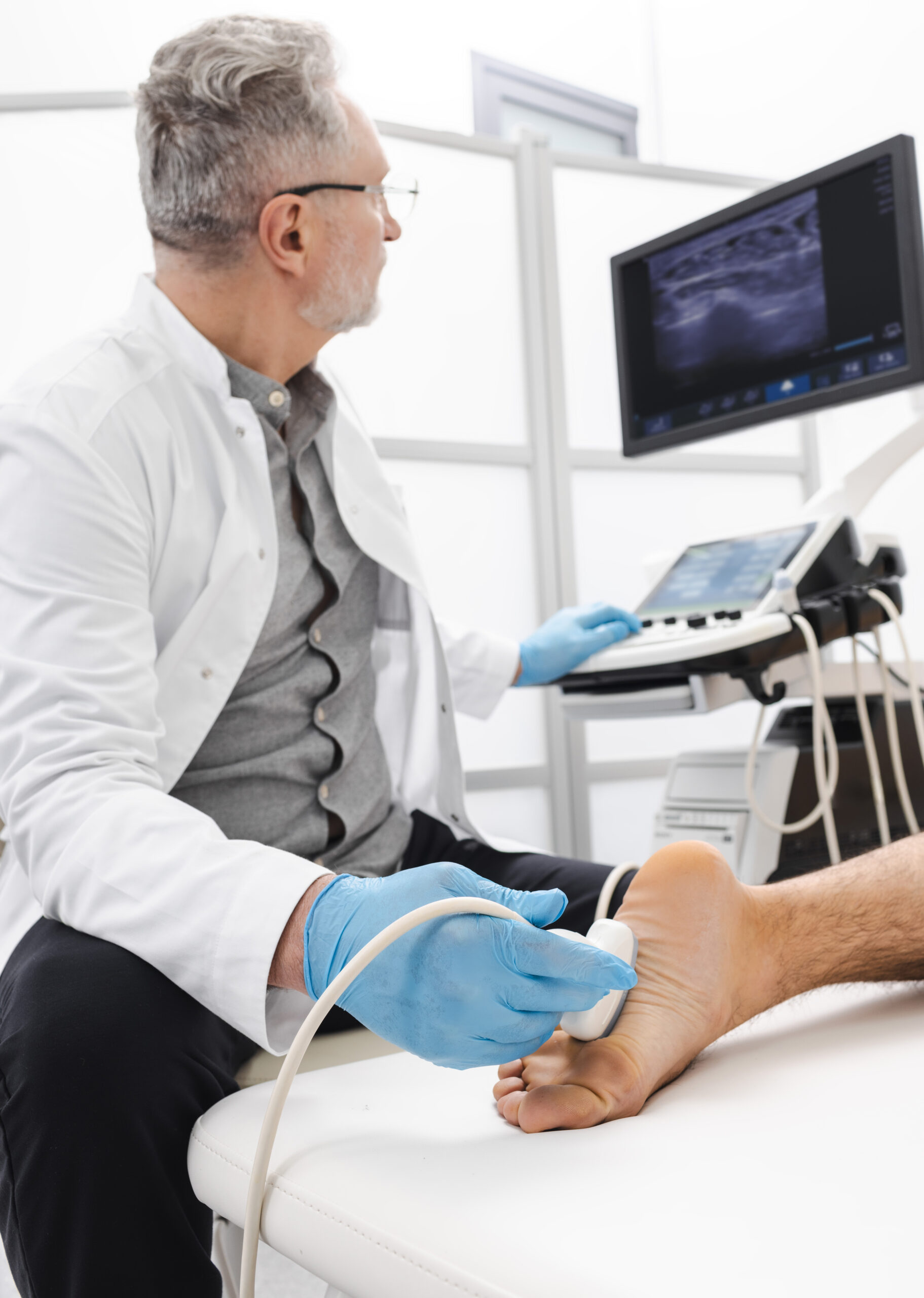
Diagnosis: We utilize weight-bearing X-rays to rule out heel spurs or stress fractures, and diagnostic ultrasound to measure plantar fascia thickness and visualize tears. This objective data dictates whether conservative care is still appropriate or if more advanced interventions are required. Our Understanding Heel Pain blog explains what each finding means for your treatment plan.
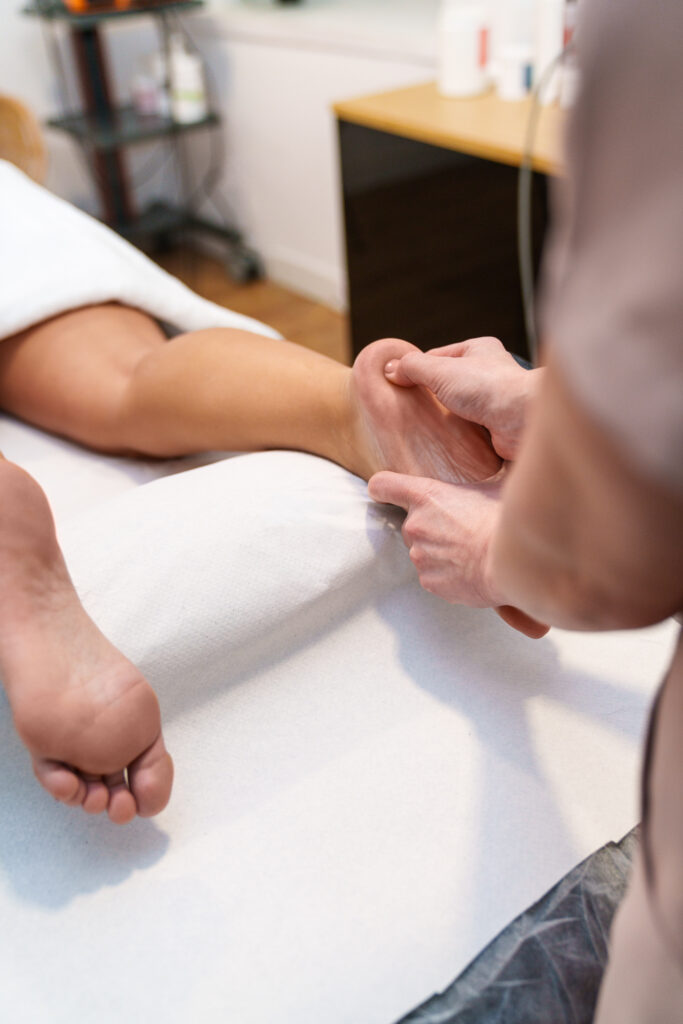
The Conservative Approach: For most patients, we begin with custom-molded orthotics to redistribute pressure and unload the fascia, combined with a structured stretching program, night splints, anti-inflammatory therapies, and specific footwear guidance for NYC daily life.
Urgent Care Note: A wound or open sore on the bottom of the heel is a medical emergency due to the risk of deep tissue infection, especially in diabetic patients. Call us directly at (347) 442-5847 to arrange for immediate specialist consultation.
3. When to Consider Advanced Treatment
While this page focuses on conservative care, it is important to know when those measures have reached their limit. We recommend advanced intervention – including regenerative therapies or surgical plantar fascia release – when pain prevents comfortable daily activity, limits exercise, or fails to respond to 6+ months of non-surgical treatment. See also: Foot Pain in NYC: When Does Heel Pain Require a Podiatrist?
- Corticosteroid Injections: Targeted anti-inflammatory injections administered with precision to the fascia insertion point at the heel
- Platelet-Rich Plasma (PRP) Therapy: A regenerative approach using your body’s own growth factors to stimulate fascia healing
- Extracorporeal Shockwave Therapy (ESWT): FDA-cleared, non-invasive sound wave treatment clinically proven to reduce chronic plantar fasciitis pain
- Plantar Fascia Release Surgery: A minimally invasive procedure performed in fewer than 5% of cases when all conservative options are exhausted
4. Your Journey to Pain-Free Activity
Effective management requires a partnership between patient and provider. We give you the tools – orthotics, stretching protocols, and footwear recommendations – but consistency with your plan is what drives results. Your personalized care plan will be monitored closely by your North Island Podiatry physician. We periodically re-evaluate your foot mechanics and symptoms, adjusting your orthotics or recommending supplemental treatments to ensure lasting heel pain relief. NYC’s pace doesn’t have to slow you down.
Ready to Find Relief from Plantar Fasciitis Pain?
Don’t let heel pain limit your life. For expert diagnosis and aggressive Plantar Fasciitis Pain Relief in NYC, choose the specialists focused solely on foot and ankle health.
FAQ
Questions About Foot & Ankle Care
Plantar fasciitis is inflammation of the thick band of tissue (the plantar fascia) that connects your heel bone to your toes. It’s caused by repetitive stress and micro-tearing of the fascia, and it’s the most common cause of
heel pain. The hallmark symptom is sharp pain with your first steps in the morning.
With consistent conservative care, most patients see significant improvement within 6 to 18 months, though many feel relief much sooner. Starting treatment early dramatically shortens this timeline. Our NYC podiatrists build a structured plan to speed your recovery rather than waiting for it to resolve on its own.
Low-impact activities like swimming and cycling are generally safe and help you stay active without aggravating the fascia. High-impact activities like running often worsen the inflammation. We help you modify your routine so you can keep moving while the fascia heals — and guide you on when it’s safe to return to higher-impact exercise.
Yes. Both flat feet and high arches create abnormal tension on the plantar fascia, increasing the risk of inflammation and micro-tearing. Correcting that abnormal mechanics — usually with custom orthotics and targeted stretching — is central to both treating the condition and preventing it from coming back.
Yes. Excess body weight significantly increases the load placed on the plantar fascia with every step, which can both trigger the condition and slow recovery. As part of a comprehensive treatment plan, we address all
contributing factors — including footwear, activity, and biomechanics — to give the fascia the best chance to heal.
Rest helps reduce acute inflammation but rarely resolves the underlying biomechanical problem causing the strain. Most patients need structured treatment — stretching, orthotics, and targeted therapy — to achieve
lasting relief. Without addressing the root cause, the pain typically returns once normal activity resumes.
For many patients, yes. Over-the-counter insoles lack the precision to correct individual foot mechanics, while custom orthotics are built to address your specific arch height and pressure patterns. They’re one of the most effective long-term tools for relieving plantar fasciitis and preventing it from returning.
Not exactly. Heel spurs often co-exist with plantar fasciitis but are frequently painless on their own. The pain almost always comes from the inflamed fascia, not the spur itself. This is why treatment focuses on healing the fascia rather than removing the spur, which is rarely necessary.
If heel pain has persisted for more than two to three weeks, is severe first thing in the morning, or is affecting your ability to walk, schedule an evaluation promptly. Early treatment is far more effective and shortens
recovery. Call (347) 442-5847 to book an appointment with our NYC heel pain specialists.
Bilateral plantar fasciitis does occur, particularly in patients with systemic conditions or significant biomechanical issues. When both heels are affected, we assess both feet together and develop a coordinated
treatment plan. Pain in both heels can sometimes point to an underlying cause worth investigating, which our specialists will evaluate.
We Bring Smiles To You
Trusted foot and ankle specialists delivering care where convenience matters most.