

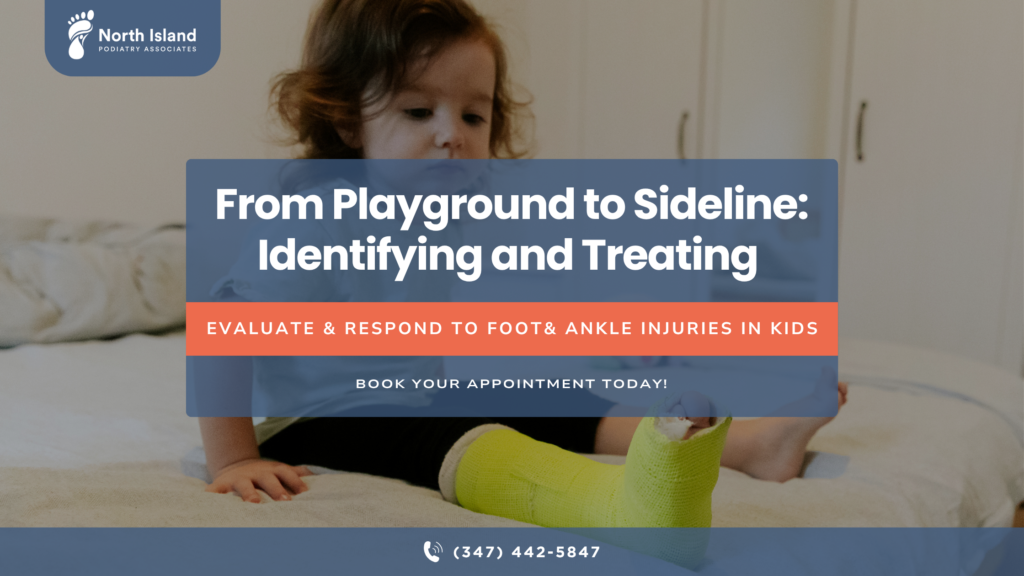
From playground games to youth sports, children are constantly on the move which makes foot and ankle injuries among the most common pediatric conditions. In this article, we’ll explore the topic of From Playground to Sideline: Identifying and Treating Common Pediatric Foot and Ankle Injuries, providing families with essential knowledge. Recognizing these injuries early and knowing how to respond can help prevent long-term complications and keep children safely on their feet. Whether your child is experiencing heel pain, a twisted ankle, or general foot discomfort, this guide explains how to spot the signs and what steps to take next.
Understanding the Impact of Pediatric Foot and Ankle Injuries
Pediatric foot and ankle injuries can result from falls, overuse, improper footwear, or sports activities. Unlike adults, children’s bones are still developing, which can make injury identification more nuanced. Common conditions include ankle sprains, heel pain from Sever’s disease, stress fractures, and growth plate injuries. These injuries often present with swelling, limping, or reluctance to bear weight. According to the Mayo Clinic, growth plate injuries demand special attention due to their impact on future bone development.
How to Evaluate and Respond to Foot and Ankle Injuries in Kids
Timely evaluation and proper response can significantly reduce recovery time and prevent complications. Here’s what caregivers should consider when a foot or ankle injury occurs:
- Observe for signs such as persistent pain, swelling, or refusal to bear weight beyond 48 hours.
- Use R.I.C.E. (Rest, Ice, Compression, Elevation) immediately after injury to manage inflammation.
- Avoid home remedies; consult a pediatric foot specialist for persistent symptoms or visible deformities.
Supporting Your Child Through Treatment and Recovery
Once diagnosed, treatment plans may include immobilization, physical therapy, or temporary activity restriction. Encourage your child to follow care guidelines even after pain subsides. Proper footwear with arch support and cushioning is critical for recovery and prevention. Additionally, physical therapy exercises can help strengthen surrounding muscles and improve balance, aiding the healing process. Resources such as this KidsHealth article on sprains provide helpful insights for parents supporting children through recovery.
Preventing Re-Injury and Encouraging Lifelong Foot Health
Preventative care reduces the likelihood of repeat injuries. Educating children about stretching, warm-ups, and safe play habits is vital. Regular checkups with a podiatrist help monitor foot mechanics, especially during growth spurts. Consider sport specific footwear and orthotics for children in competitive athletics. Creating habits focused on foot care and injury prevention not only supports healing it fosters long-term musculoskeletal health.
Conclusion
Pediatric foot and ankle injuries can quickly sideline even the most active child, but early identification and proper guidance are key to a safe recovery. From recognizing symptoms to supporting rehabilitation with the right resources, parents and caregivers play a crucial role. Keeping children active while prioritizing foot health ensures they return to play stronger and safer than before. For professional guidance in identifying and managing your child’s foot or ankle condition, schedule an appointment with North Island Podiatry Associates PC.
Visit Us at One of Our Locations
Main Office:
Other Offices:
- 596 Pennsylvania Ave, Brooklyn, NY 11207
- 6410 8th Ave, Brooklyn, NY 11220
- 1414 Newkirk Ave, Brooklyn, NY 11226
- 5 Debevoise St, Brooklyn, NY 11206
- 1250 E 223rd St, Bronx, NY 10466
- 19616 Hillside Ave, Hollis, NY 11423
Contact Information
- Email Us: info@northislandpc.com
- Call Us: (347) 442-5847