

Hammertoe Treatment in NYC
Comprehensive care for toe deformities focused on restoring comfort, alignment, and function. Serving patients throughout NYC. Book an appointment today.
Contact Us Today
Hammertoe Relief With Advanced Non-Surgical and Surgical Care in NYC
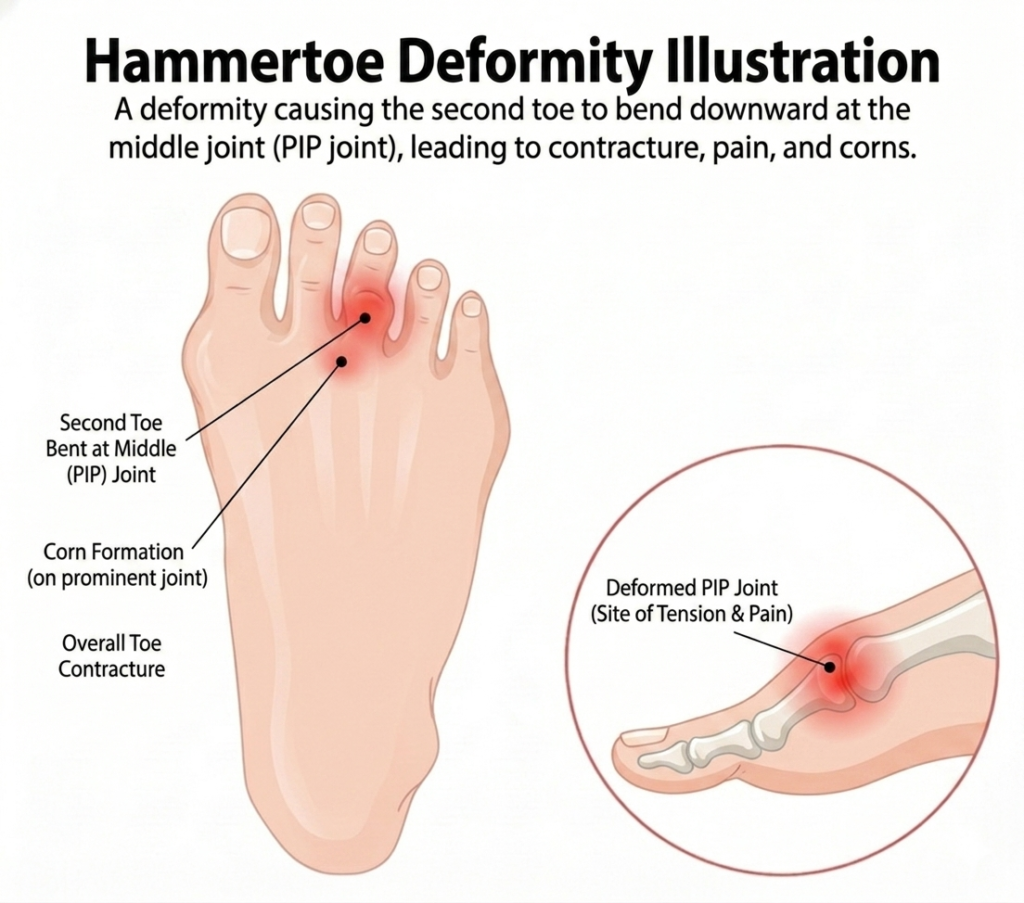
A hammertoe is a progressive structural deformity in which one or more of the smaller toes develop an abnormal, downward-curling bend at the middle joint – giving the toe the shape of a hammer. Caused by an imbalance in the muscles, tendons, and ligaments that hold the toe in alignment, this condition can cause significant pain, skin breakdown, and difficulty finding comfortable footwear. Left untreated, a flexible hammertoe becomes rigid and increasingly difficult to correct without surgery. For clinical background, see NIH MedlinePlus on hammertoe.
Visit Us at One of Our Locations
Main Office:
Other Offices:
At North Island Podiatry Associates PC, we specialize in accurate diagnosis of toe deformities and maximizing non-surgical relief to treat hammertoe pain and slow the progression of the underlying deformity. To learn more about our commitment and the decades of experience behind our practice, visit our About Us page. When you need expert conservative or surgical care for toe deformity in New York City, you can trust our team.
1. Understanding the Condition: Why Hammertoes Worsen Over Time
Hammertoes are progressive. A flexible hammertoe – one that can still be manually straightened – responds well to conservative care. A rigid hammertoe, where the joint has become fixed, typically requires surgical correction. Catching the deformity early makes a profound difference in treatment options available to you.
Ignoring the early warning signs of a hammertoe can lead to:
- Corn and callus formation on the top of the bent joint due to friction with footwear
- Skin breakdown and open sores, particularly dangerous for diabetic patients – see: ingrown toenails in diabetics
- Progression from flexible to rigid deformity, closing the window for non-surgical correction
- Adjacent toe displacement, especially when an underlying bunion drives the second toe out of alignment
- Joint deterioration and early arthritis signals – see: early signs of joint deterioration
If you notice a toe beginning to curl or corns that keep returning, please prioritize immediate evaluation at one of our convenient New York locations.
2. Our Approach to Diagnosis and Conservative Care
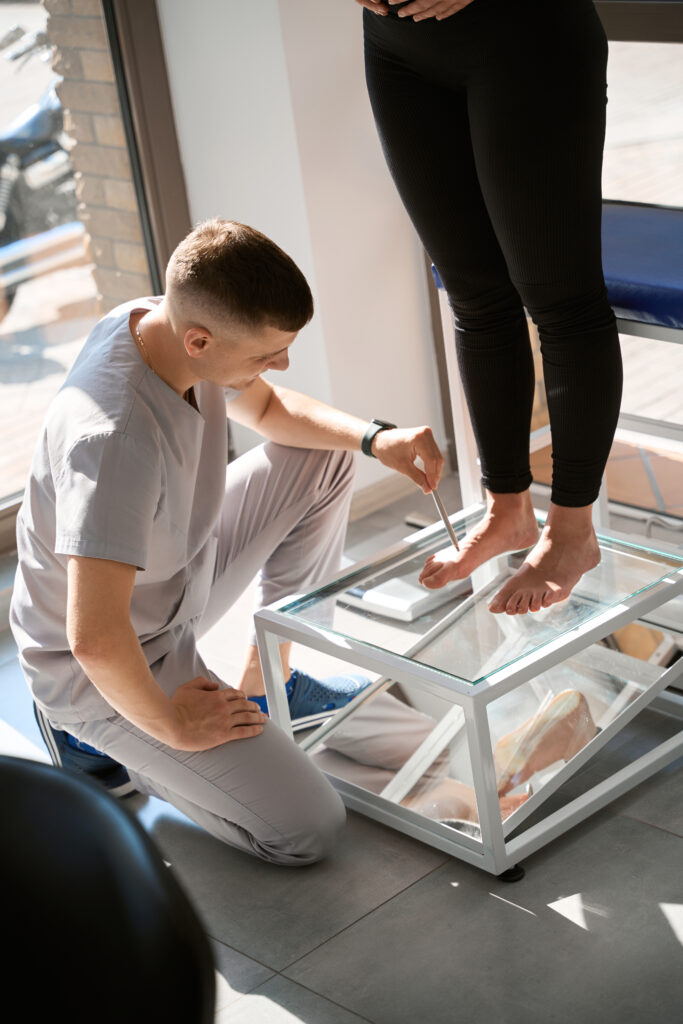
When you come to us with a painful or curling toe, our focus is on comprehensive evaluation to determine the stage of deformity and the best course of action to maintain your comfort and function.
Diagnosis: We conduct a hands-on examination of toe flexibility and range of motion, assess for corns and skin breakdown, and take weight-bearing X-rays to measure joint angles and plan any surgical correction if needed. We also evaluate for co-existing conditions – bunions, arthritis, and flat feet – that frequently drive hammertoe development.
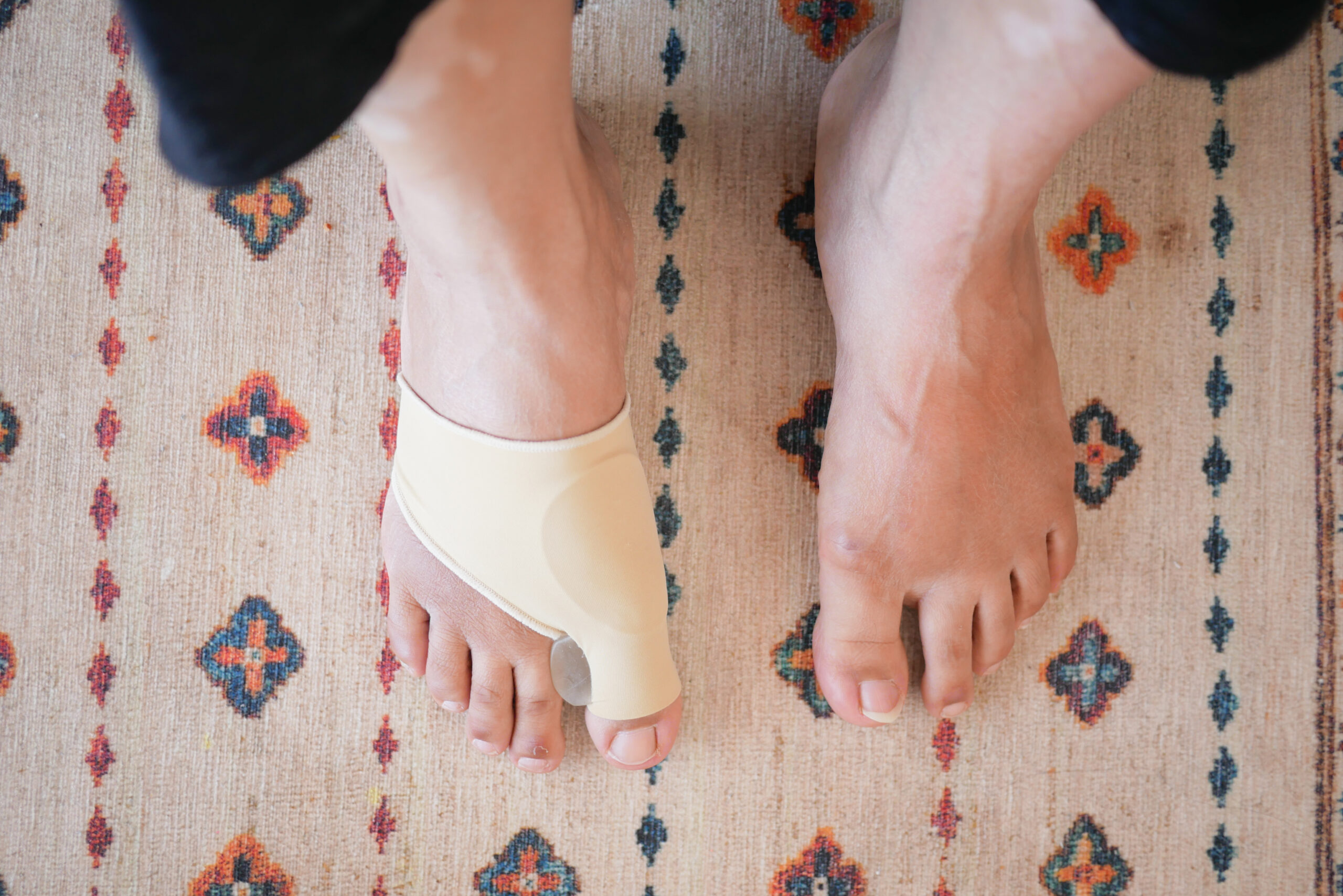
The Conservative Approach: For flexible hammertoes, we begin with shoe modification guidance (see our proper shoe selection guide), combined with toe pads, custom orthotics to correct underlying biomechanical imbalances, splinting or taping, and professional corn and callus debridement.
Urgent Care Note: A hammertoe that has broken through the skin or created an open sore is a medical emergency due to the risk of deep bone infection. Call us directly at (347) 442-5847 to arrange for immediate specialist consultation.
3. When to Consider Advanced Treatment (Hammertoe Surgery)
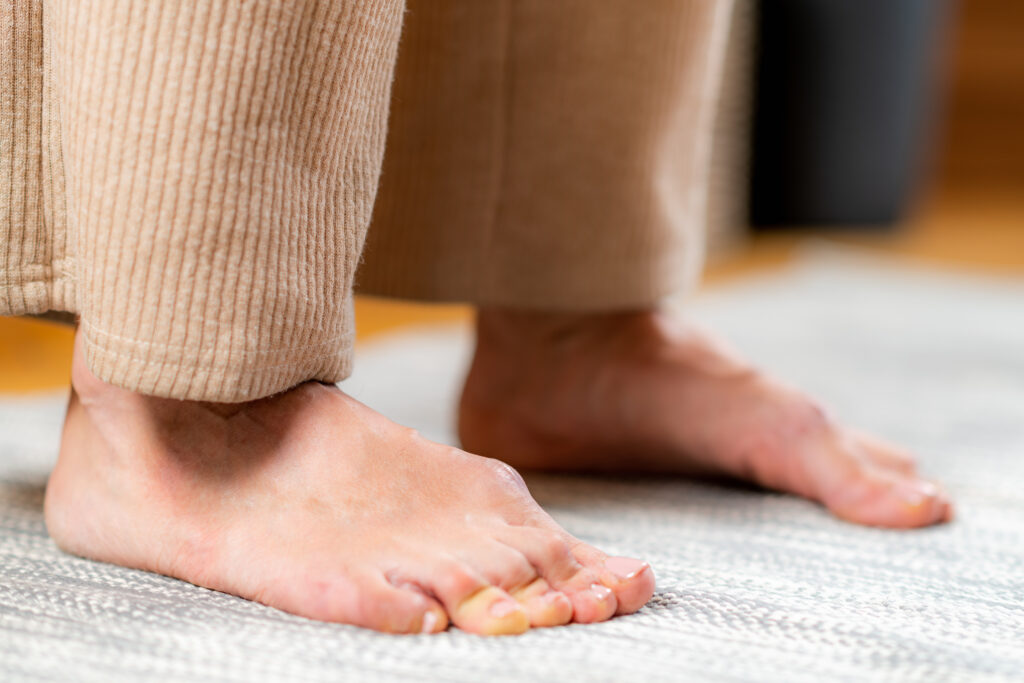
While this page focuses on conservative care, it is important to know when those measures have reached their limit. We recommend surgical correction when the hammertoe is rigid (cannot be manually straightened), pain prevents comfortable daily activity, or conservative care has not provided adequate relief. Our arthritis service page covers related joint conditions that may be treated concurrently.
- Tendon Lengthening / Transfer: Rebalancing the muscles and tendons that control toe movement to achieve flexible correction
- Joint Resection (Arthroplasty): Removing a small portion of the affected joint to allow the toe to flatten
- Joint Fusion (Arthrodesis): Permanently fusing the joint in a corrected, flat position for rigid deformities
- Pin Fixation: Temporary pin placement to hold the toe in corrected alignment during healing, removed in-office
4. Your Journey to Pain-Free Activity
Effective non-surgical management requires a partnership. We provide the tools – orthotics, padding, footwear guidance, and stretching protocols – but patient compliance with shoe modifications and home exercises is key to success. Your personalized conservative plan will be monitored closely by your North Island Podiatry physician. We periodically re-evaluate your toe mechanics and symptoms, adjusting your treatment to ensure lasting relief and prevent further deformity.
Ready to Find Relief from Hammertoe Pain?
Don’t let a hammertoe limit your life. For expert diagnosis and aggressive Hammertoe Relief in NYC, choose the specialists focused solely on foot and ankle health.
FAQ
Questions About Foot & Ankle Care
A hammertoe is a structural deformity in which a toe bends abnormally downward at the middle joint, caused by an imbalance in the muscles and tendons that hold it straight. Over time the bend can become rigid. Early treatment keeps the toe flexible and helps avoid the need for surgery.
A hammertoe bends at the middle joint of the toe, a mallet toe bends at the end joint nearest the toenail, and a claw toe involves all three joints. Treatment differs for each, which is why an accurate diagnosis matters. Our NYC podiatrists examine the exact joints involved before recommending a plan.
Recurrence is uncommon when the underlying cause — such as footwear habits or an associated bunion — is also addressed. We work with you on preventive strategies after surgery, including proper footwear and orthotics, to protect the correction and keep the toe straight long-term.
Corns frequently form on top of hammertoes due to friction against the shoe, but they can also occur independently. Treating the corn without addressing an underlying hammertoe often means it returns. Our NYC podiatrists will determine whether a structural deformity is the root cause and treat the source, not just the symptom.
Genetics plays a role, particularly in inherited foot type and structure. However, footwear choices significantly influence whether the deformity actually develops and progresses. Even with a genetic predisposition, proper shoes and early podiatric care can dramatically reduce your risk of a painful, rigid hammertoe.
Wide or extra-depth shoes can relieve pain and slow a hammertoe’s progression, but they cannot reverse the structural deformity once it has set into the joint. Footwear changes work best as part of a broader plan that may include custom orthotics, padding, and toe exercises. A podiatrist can determine the right combination for your stage.
Yes. We offer advanced minimally invasive hammertoe surgery using smaller incisions to reduce scarring and speed recovery. Most procedures are outpatient, and patients are typically walking in a protective shoe soon after. Whether it’s right for you depends on whether the toe is flexible or rigid, which we’ll assess during your evaluation.
Most hammertoe procedures are performed under local anesthesia on an outpatient basis, so you typically go home the same day. This means a quicker, more comfortable experience with fewer risks than general anesthesia. Our team will discuss the best anesthesia approach for your specific procedure during your consultation.
Yes. Pediatric hammertoes are typically linked to genetics or ill-fitting footwear. Early evaluation is important because a flexible hammertoe is far easier to treat than a rigid one. If you notice your child’s toe bending
abnormally, a timely assessment can prevent the deformity from becoming permanent.
Surgery is considered when the hammertoe becomes rigid, pain interferes with daily activity, or conservative measures have failed to provide relief after several months. There’s no need to live with persistent toe pain —
our NYC specialists will recommend surgery only when it offers the clearest path back to comfortable movement.
We Bring Smiles To You
Trusted foot and ankle specialists delivering care where convenience matters most.