

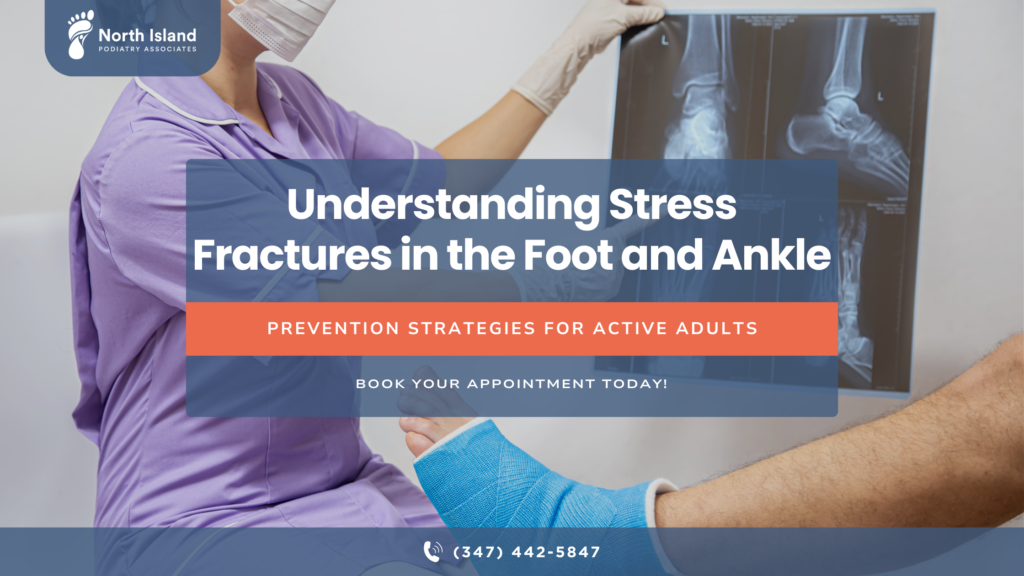
Maintaining an active lifestyle offers countless health benefits, but it also comes with certain risks. One such issue is stress fractures, which commonly occur in the foot and ankle. In this article on Understanding Stress Fractures in the Foot and Ankle: Prevention Strategies for Active Adults, we’ll explore what causes these injuries, how to recognize warning signs, and strategies to help minimize your risk. Whether you’re a runner, hiker, or fitness enthusiast, understanding how to maintain foot health is essential to staying injury-free and active year-round.
What Are Stress Fractures and Why Do They Matter?
Stress fractures are small cracks in bones, often resulting from repetitive force or overuse, commonly affecting the weight-bearing bones of the foot and ankle. For active adults, these injuries can lead to significant downtime and discomfort. Unlike acute fractures, which are caused by sudden trauma, stress fractures develop gradually and may initially go unnoticed. They are particularly prevalent in the metatarsal bones, calcaneus (heel bone), and the talus. According to the Mayo Clinic, early recognition and risk management are key to preventing long-term complications.
Factors That Increase Your Risk of Foot and Ankle Stress Fractures
Understanding risk factors can help you take proactive steps to protect your musculoskeletal health:
- Sudden Increase in Physical Activity: Rapid changes in exercise intensity or duration can strain bone structures.
- Improper Footwear: Worn-out or poorly designed shoes may lack sufficient cushioning and support.
- Low Bone Density: Conditions like osteoporosis can increase vulnerability to stress injuries.
Other contributing elements include biomechanical imbalances, training on hard surfaces, and inadequate recovery time between activities. Awareness of these variables is critical to prevention.
Proven Techniques for Preventing Stress Fractures
Preventive strategies are especially important for individuals who engage in consistent physical activity. Best practices include:
- Gradual Training Increases: Build exercise volume slowly to allow bone tissues to adapt.
- Choose the Right Footwear: Select activity-specific, supportive athletic shoes that fit well.
- Cross-Training: Incorporate low-impact activities like swimming or cycling to balance stress load.
Additionally, be attentive to subtle symptoms such as localized tenderness or swelling. These may signal early-stage stress injuries that should be addressed promptly. Integrating strength training and flexibility exercises also helps with muscular balance and shock absorption.
Long-Term Foot Health and Injury Prevention
Optimizing bone health and mobility plays a vital role in avoiding overuse injuries. Consider habits that promote long-term musculoskeletal well-being:
- Consume a nutritious diet rich in calcium and vitamin D.
- Maintain a consistent, varied fitness routine.
- Schedule regular check-ins with a foot and ankle specialist if you engage in high-impact sports.
Educational and preventive care empowers you to stay active safely while minimizing the risks of setbacks. Engaging with a podiatric provider for routine evaluations ensures issues are identified before they escalate.
Conclusion
Stress fractures in the foot and ankle can sideline even the most health-conscious individuals, but they are often preventable with the right knowledge and proactive approach. By understanding the risk factors and implementing proven prevention techniques, active adults can protect their foot health and maintain long term mobility. Don’t ignore early signs of discomfort, take the necessary steps today to safeguard your stride. Schedule a consultation with North Island Podiatry Associates PC to receive expert guidance on keeping your feet healthy and active.
Visit Us at One of Our Locations
Main Office:
Other Offices:
- 596 Pennsylvania Ave, Brooklyn, NY 11207
- 6410 8th Ave, Brooklyn, NY 11220
- 1414 Newkirk Ave, Brooklyn, NY 11226
- 5 Debevoise St, Brooklyn, NY 11206
- 1250 E 223rd St, Bronx, NY 10466
- 19616 Hillside Ave, Hollis, NY 11423
Contact Information
- Email Us: info@northislandpc.com
- Call Us: (347) 442-5847